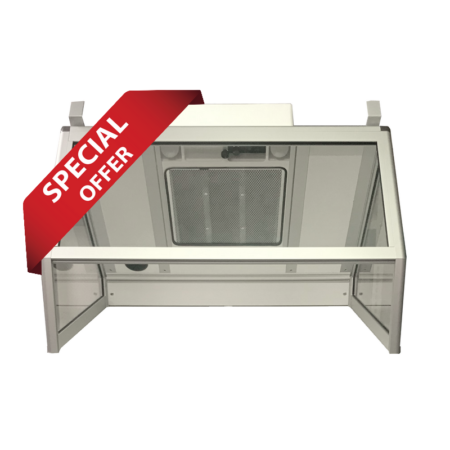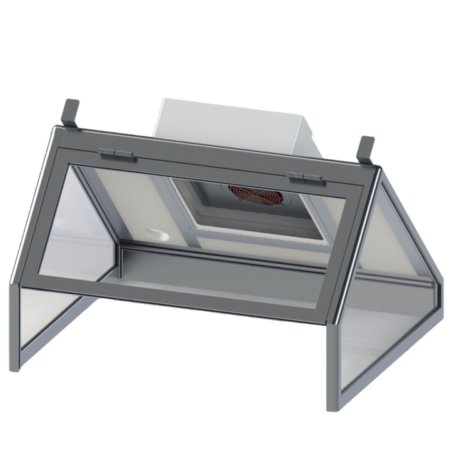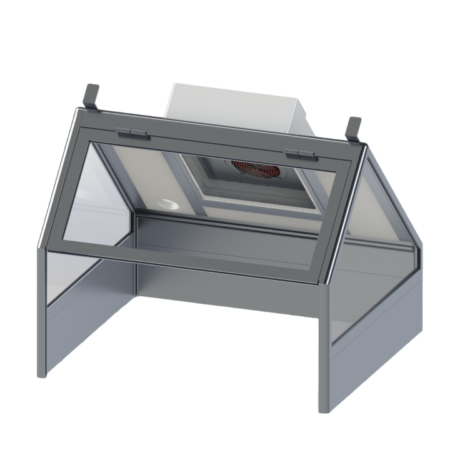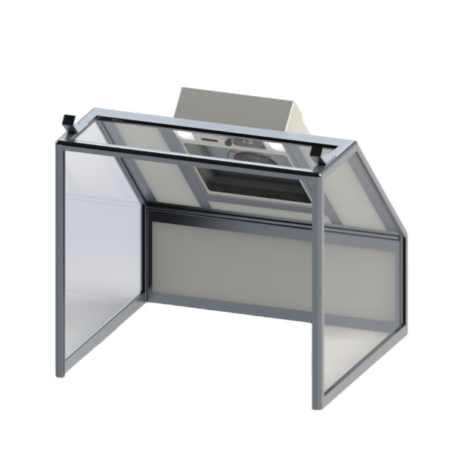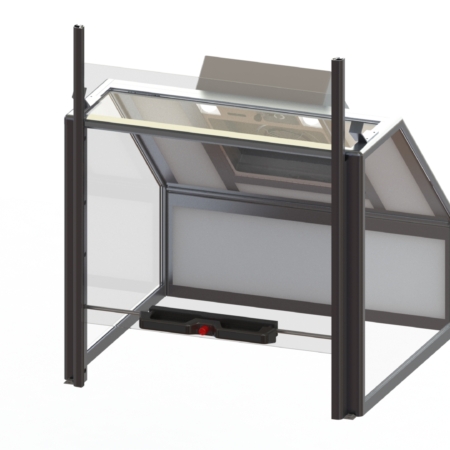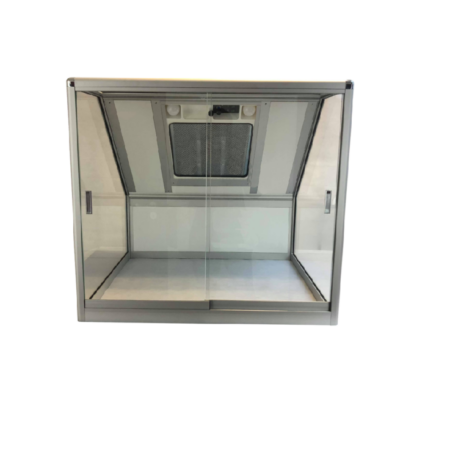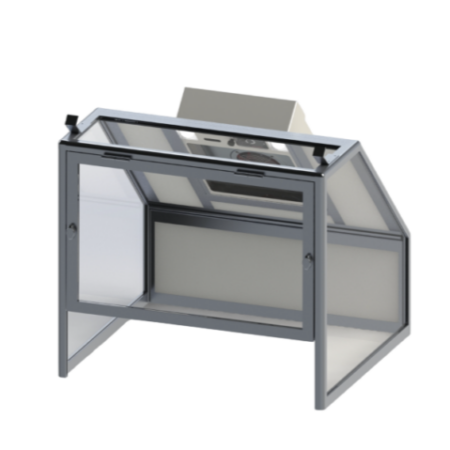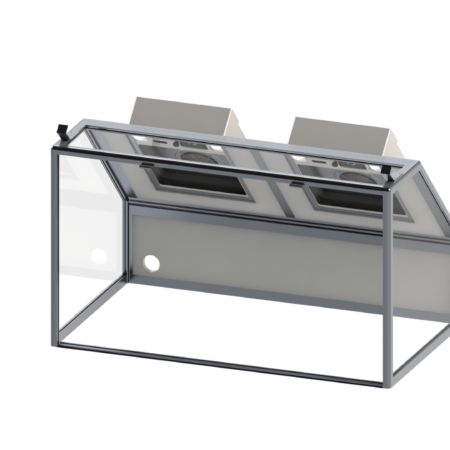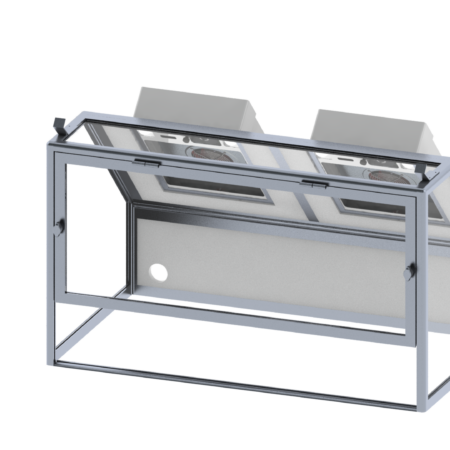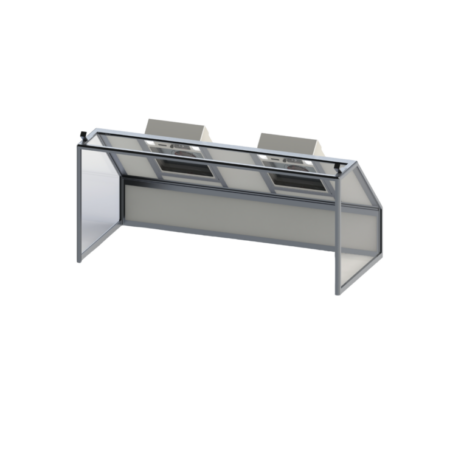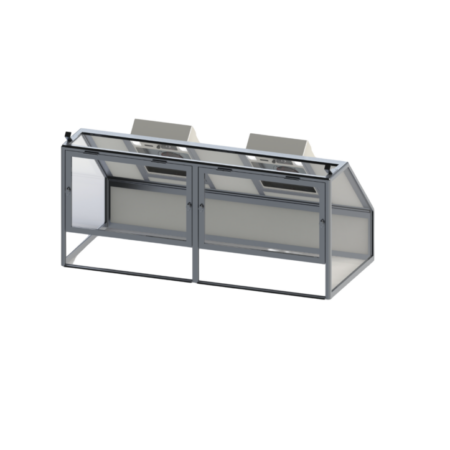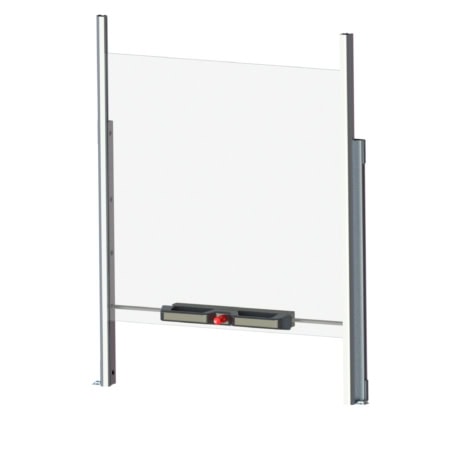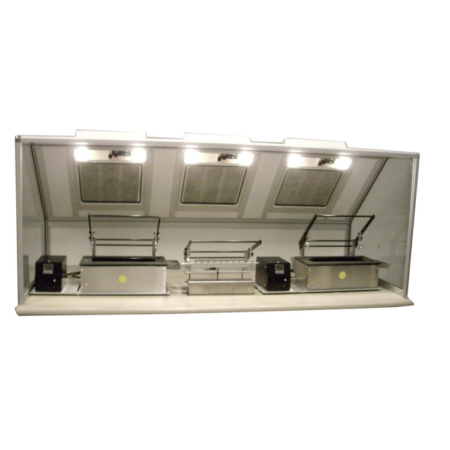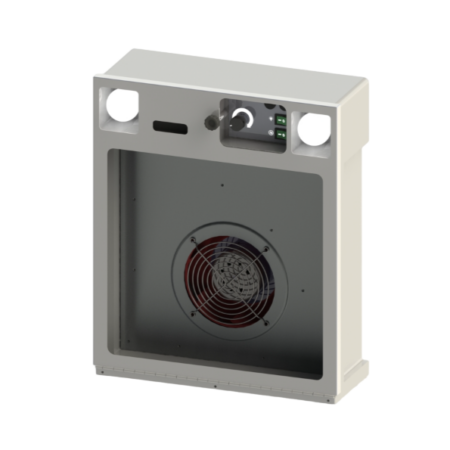
Our cabin hoods are designed for applications requiring space confinement
By reducing the volume to be treated, they make it possible to filter more polluting activities such as: spray applications, handling of chemicals or volatile solvents, varnishing or potting, etc.
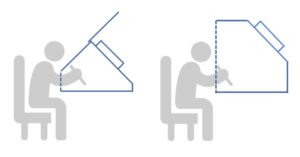
Our standard hoods are of two types:
- Pyramids for working above the work surface
- Straight with or without door
We also manufacture tailor-made cabin hoods of all sizes and shapes.
Do not hesitate to contact us to tell us about your project!
FAQ – Standard cabin fume hoods (air filtration)
What is the purpose of a cabin fume hood?
A cabin fume hood protects the operator and the environment by containing fumes, vapours, solvents and dust as close as possible to the source, thanks to local extraction and suitable filtration.
What are the typical applications?
- Solvent cleaning (acetone, MEK, etc.)
- Varnishing, gluing, potting
- Tinning, brazing / desoldering
- Use of aerosols (spray cans, spray guns)
- Machines generating heavy fumes
- Applications generating very fine particles (< 0.3 µm)
What airflow configurations are possible?
- Recirculating (ductless) mode: the air passes through the filters then is returned to the room.
- Ducted exhaust mode: the air is discharged via a Ø125 mm duct located at the rear of the extraction unit.
Important: recirculating mode must not be used where there is a carcinogenic, mutagenic or reprotoxic (CMR) risk.
What standard models do you offer?
- Pyramidal cabins (e.g. HI7VP, HI7VPR)
- Straight single-operator cabins (HI5VP, HI5VPP, HI5VPC)
- Multi-operator cabins (HI5VP-1200-2GR, HI5VPP-1200-2GR, HI5VP-DOUBLE…)
External widths from 800 mm to 1572 mm depending on the version.
What customisation options are available on standard cabins?
- Reinforced extraction unit up to 600 m³/h (instead of 450 m³/h)
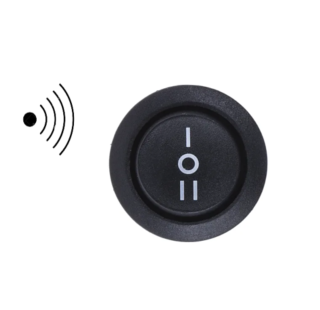
- Motion sensor start/stop
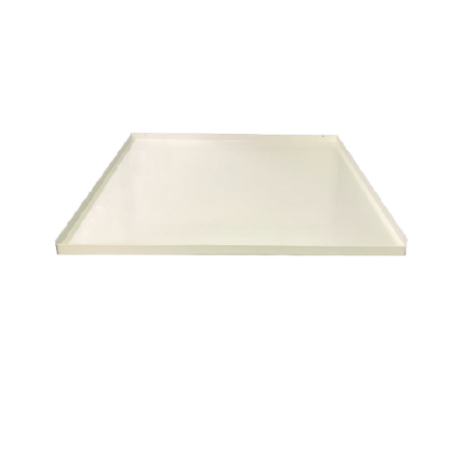
- Retention tray for hazardous products
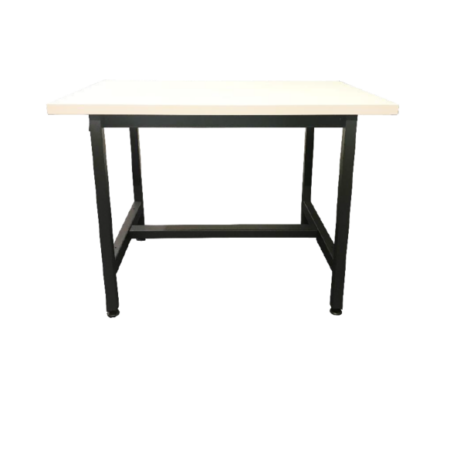
- Workbench / stand
- Riser / height extension (to increase hand-access height)
What filter stack do you recommend?
For workstations combining particles and VOCs, the recommended order is:
- Pre-filter (class M5): protects the downstream filters and extends their service life.
- HEPA filter (H14): captures very fine particles.
- Activated carbon filter: adsorption of solvents and VOCs.
What types of filters do you use?
Summary (in stack order)
| Stage | Reference / Description | Main use | Classification |
|---|---|---|---|
| 1. Pre-filter | PF3 / Protective pre-filter | Upstream protection (prevents clogging of the following stages) | M5 |
| 2. HEPA filter | FHP1 / High-performance filter | Very fine particles (down to 0.1 µm) | H14 |
| 3. Activated carbon | FCP1 / FCP1 min / FCP1 blend / FCP1-FT (acid or base) | Solvents, VOCs, gases (impregnated versions for acids/bases, blend version for formaldehyde, etc.) | — |
For ducted exhaust, use a dust filter (FPP1) upstream of the Ø125 mm duct.
What extraction airflow can I expect?
- Standard: 50 to 450 m³/h (adjustable via speed controller)
- Reinforced option: up to 600 m³/h
- Multi-operator cabins: up to approx. 1200 m³/h (2 extraction units)
How should the hood be maintained?
- Replace filters according to usage and monitor pressure drop.
- Check airflow and speed-controller operation regularly.
- Clean glass surfaces and the work surface.
- Do not use recirculating mode in the presence of carcinogenic, mutagenic or reprotoxic (CMR) risks.
- Display 36 Products per page